


Dydd Santes Dwynwen (St Dwynwen’s Day)

When most of us think of Valentine’s Day – the 14th of February typically springs to mind. Here in Wales, we have our Welsh equivalent of this annual celebration which falls a little earlier.
Dydd Santes Dwynwen (St Dwynwen’s Day) falls on the 25th of January each year. Dwynwen was the Welsh saint of lovers, and there are a number of variations about her story.
Across Wales, the day is often seen as a more gentle, heritage-rich counterpart to Valentine’s Day. It is less about grand gestures and more about meaning, tradition, and the quieter romance of winter in North Wales.
For visitors staying in Caernarfon, learning about local customs is often part of the experience. Our Explore North Wales section brings together stories, seasonal ideas and nearby places that help put Welsh traditions into context.
The Legend of Dwynwen
The most traditional tale is set in the 5th Century, in a time where women were typically married simply to make alliances – with very little genuine love involved.
Dwynwen was the beautiful daughter of Brychan Brycheiniog, the king of South Wales. As a young woman, she fell in love with Prince Maelon Dafodrill, the son of a neighbouring king. The young couple were madly in love, and Maelon eventually asked King Brychan for Dwynwen’s hand in marriage.
Stories like this one endure because they speak to universal themes of love, loss and compassion. In Wales, legends are rarely abstract – they are tied to real landscapes, historic routes and places you can still visit today.

The king refused, stating that he had already found a more suitable match for his daughter. Maelon became angry at Dwynwen, which caused her to run into the nearby woodland, where she then cried herself to sleep.
After falling asleep, Dwynwen was visited by a spirit (or an angel in alternative tales), which offered her a potion that was designed to erase all her memories of Maelon, as well as turning him into a block of ice.
The spirit then allowed her three wishes. Dwynwen’s first wish was for Maelon to be thawed, her second was for God to make sure all the dreams of true lovers were made a reality and the third was that she would never marry again.
These wishes are central to why Dwynwen became known not only for her own love story, but for her kindness towards others. It is this compassion that continues to resonate with Welsh culture today.
Llanddwyn, Anglesey and a Place You Can Still Visit
It was then said that Dwynwen became a nun, and left for the Isle of Anglesey, where she built a church. This church is known as Llanddwyn, and the remains can still be seen today on Ynys Llandwyn the tidal island off the coast of Anglesey.
As Ynys Llanddwyn is a tidal island, the causeway is covered at high tide. This is particularly important to be aware of during winter months, when weather conditions and daylight hours can change quickly. It is however a magical location and known as the ‘isle of lovers’ it’s very popular on St Dwynwen’s Day and is a well-regarded proposal spot. Be sure to check tide times before planning.
From Caernarfon, Anglesey is an easy and scenic journey, and many guests combine cultural exploration with coastal walks. Our location guide offers more detail on travelling around the area during your stay.
It is said that the well on the island dedicated to Dwynwen contains sacred fish, whose movements were believed to predict the futures of lovers observing them. Whether taken literally or symbolically, this part of the legend adds a layer of folklore that makes the site especially evocative.
Love Spoons and Welsh Gift Traditions
As well as being the patron saint of love, St Dwynwen is also the patron saint of sick and distressed animals.
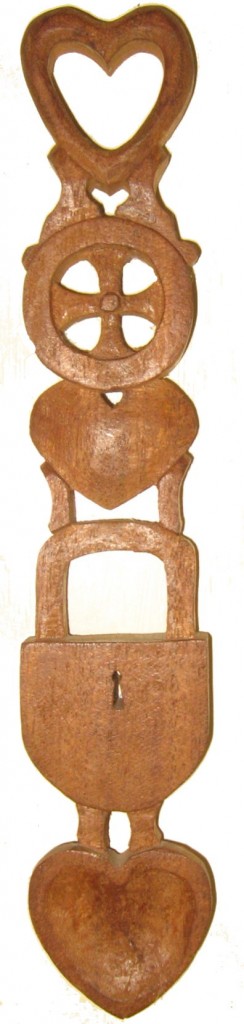
Whilst not as commercially promoted as Valentine’s Day, couples in Wales still exchange cards and small tokens on Dydd Santes Dwynwen. A traditional gift on this day is the Welsh love spoon.
These handmade wooden spoons are carved with symbols representing affection, loyalty and protection. They reflect a wider tradition of Welsh craftsmanship, something that can also be seen in historic buildings and interiors such as those explored on our history page.
More Welsh Legends Near Caernarfon
Our Year of Legends page features a number of similar Welsh tales to Santes Dwynwen, many of which are rooted in locations close to the Black Boy Inn and remain accessible today.
Exploring these stories alongside the places connected to them adds depth to any visit. Legends in North Wales are rarely isolated – they form part of a wider cultural landscape shaped by language, geography and history.
Ways to Mark Dydd Santes Dwynwen During Your Stay
Dydd Santes Dwynwen can be celebrated in many different ways, from a quiet day out to a relaxed evening together.
- Take a winter walk in Snowdonia or along the coast, choosing routes that suit the conditions.
- Visit Anglesey for sea views and the connection to Llanddwyn.
- Enjoy a relaxed meal and take time to unwind at the end of the day.
- Learn the story behind the tradition and share it with family or friends.
Ending the Day Back in Caernarfon
If you’re staying with us at the Black Boy Inn in late January, Dydd Santes Dwynwen offers a thoughtful and meaningful way to mark the season. Many guests enjoy returning from a winter walk or coastal visit to the warmth of the town and the comfort of familiar surroundings.
Whether you’re discovering Welsh traditions for the first time or revisiting stories that have been told for generations, Dydd Santes Dwynwen reflects values that remain central to Welsh culture.
From our historic setting within the walls of Caernarfon to the landscapes and legends that surround us, the Black Boy Inn remains closely connected to the heritage of North Wales and the stories that continue to shape it.
For practical information when planning your visit, including travel tips and seasonal queries, our Frequently Asked Questions page may also be helpful.